Pancreatic Cancer
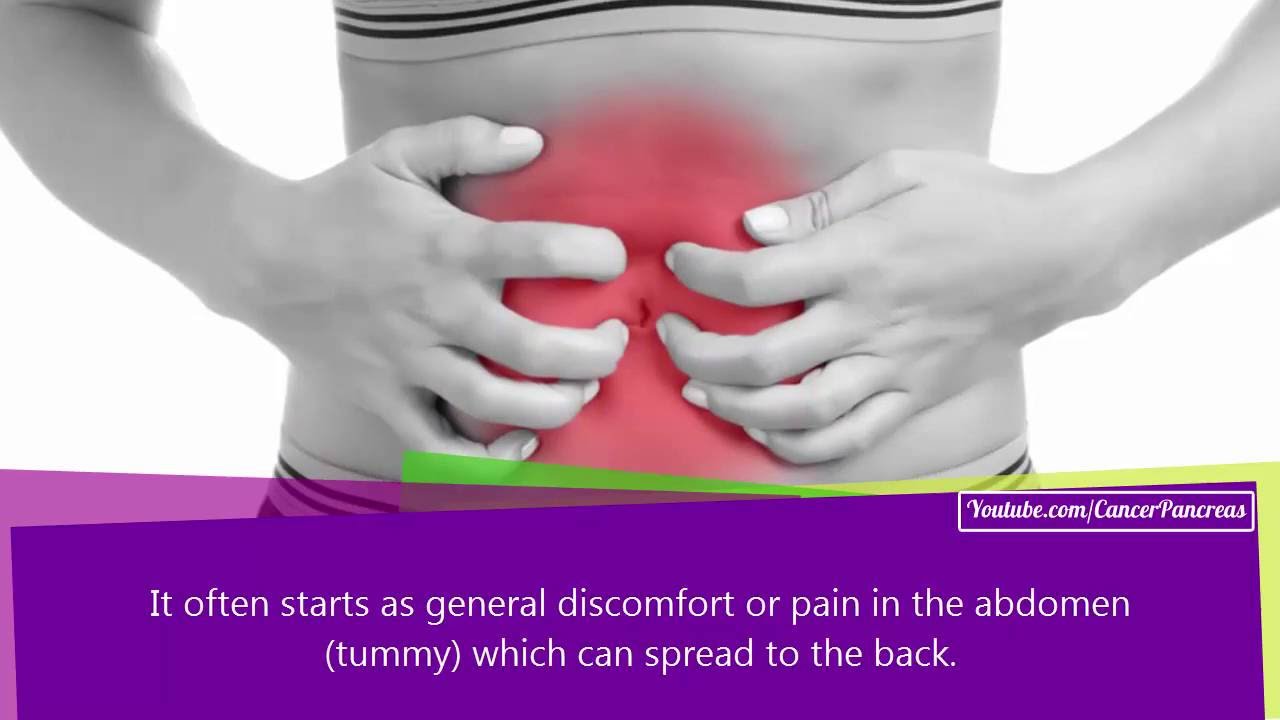
Pain in the stomach area or back. The whites of your eyes or your skin turn yellow jaundice you may also have itchy skin darker pee and paler poo than usual.

Pin On Anatomy Physiology
Pancreatic cancer is a cancer that starts in the pancreas.

. The risk of developing pancreatic cancer increases with age with about two-thirds. Pancreatic cancer doesnt usually cause symptoms in the early stages. Pancreatic cancer is often diagnosed at an advanced stage.
The earlier pancreatic cancer is diagnosed and treated the better the prognosis. Loss of appetite or losing weight without trying to. Pancreatic cancer is a disease in which malignant cancer cells form in the tissues of the pancreas.
Read more about pancreatic cancer staging. Most pancreatic cancers are exocrine cancers. For this reason there typically arent any early signs of pancreatic cancer.
The five year survival rate for pancreatic cancer. Pancreatic cancer often doesnt show symptoms until it reaches the advanced stages of the disease. Pancreatic cancer symptoms and signs often do not manifest until the cancer has metastasized.
Pancreatic cancer can also cause pale oily poo which is called steatorrhoea. If you are over 60 have lost weight and have diarrhoea or constipation your GP should refer you for a CT scan or ultrasound scan within two weeks. As the cancer grows it can start to cause symptoms.
Symptoms may include abdominal pain weight loss diarrhea and jaundice. The wider end of the pancreas is called the head the middle section is. By 2030 pancreatic cancer is projected to be the 2 cause of cancer-related death in the United States.
Pancreatic cancer is the fourth most common cause of cancer death in the US according to the American Society of Clinical Oncology. About 93 of pancreatic cancers are exocrine tumors. This is based on the type of cell they start in.
It is estimated that 4261 new cases of pancreatic cancer will be diagnosed in Australia in 2021. This cancer occurs when a cell in the pancreas is damaged causing the malignant cancer cell to start growing out of control. Symptoms of pancreatic cancer can include.
The pancreas is part of the digestive system. Pancreatic cancer remains the third deadliest cancer in America with as few as 8 of patients surviving five years after diagnosis and 71 of those diagnosed given a life expectancy of less than one year to live. Pancreatic cancer is the fifth most common cause of cancer death over all.
Pancreatic cancer is the eight most common cancer in both men and women in Australia excluding non-melanoma skin cancers. No one can tell you exactly how long you will live. Pancreatic neuroendocrine tumors NETs or islet cell tumors are less common but tend to have a better outlook prognosis.
It helps you digest your food and makes hormones such as insulin. Symptoms of pancreatic cancer can be vague. Therefore most cases up to 80 percent are diagnosed at later more difficult-to-treat stages.
It makes digestive juices and various hormones including insulin. Survival depends on many factors. These are general statistics based on large groups of people.
Pancreatic cancer can cause diarrhoea runny poo and constipation when you find it harder to poo. The pancreas is an organ in the top part of your tummy. Your outlook prognosis is better if your cancer hasnt spread and you can have surgery to remove it.
Pancreatic cancer is a highly fatal disease with a 5-year survival rate of approximately 10 in the USA and it is becoming an increasingly common cause of cancer mortality. Yellowing of the skin or whites of your eyes jaundice unexplained weight loss. The pancreas is a gland about 6 inches long that is shaped like a thin pear lying on its side.
The most common type of pancreatic cancer is adenocarcinoma. Get detailed information about the treatment of newly diagnosed and recurrent pancreatic cancer in this summary for clinicians. Pancreatic cancer treatment options depend on disease stage and include surgery radiation chemotherapy chemoradiation and palliative therapy.
If you have pancreatic cancer or are close to someone who does knowing what to expect can help you cope. Knowing the type of tumor is important because each type acts differently and responds to different treatments. Feeling tired or having no energy.
Treatment incorporates chemotherapy radiation therapy andor surgery. Genetics obesity tobacco use sedentary lifestyle diabetes pancreatitis and a fatty diet are risk factors. How serious pancreatic cancer is depends on where it is in the pancreas how big it is if it has spread.
Pancreatic cancer is aggressive with few symptoms until the cancer is advanced. Pancreatic cancer may not have any symptoms or they might be hard to spot. Risk factors for developing pancreatic cancer include family history obesity type 2 diabetes and tobacco use.
Pancreatic tumors are either exocrine or neuroendocrine endocrine tumors. Pancreatic cancer is a cancer thats found anywhere in the pancreas. About 9600 people are diagnosed with cancer of the pancreas in the UK each year.
Unfortunately pancreatic cancer usually shows little or no symptoms until it has advanced and spread. Survival for pancreatic cancer.

Pin On Pharmacy

Pin On Pancreatic Cancer Facts

Pin On Pancreatic Cancer

Pin On Pancreatic Cancer Awareness

Pancreatic Carcinoma Is Cancer Of The Pancreas Treatment For Cancer Of Pancreas Surgery Radiation Therapy Chemotherapy Cancerofpancreas Causesofc Gezond

Pin On Cancer Care In India

Pin On My Life In A Nutshell

Pin On About Pancreatic Cancer

Pin On All Things Purple Pancreatic Cancer Awareness
Pin On Inforgraphic

Pin On Medical Articles

Pin On Healthcare Infographics
Pin On Health

Pin On Pancreatic Cancer Awareness

Pin On Type Of Skin Cancers

Pin On Body Of Work

Pancreatic Cancer Is One Of The Deadliest Cancers Smoking Is A Major Risk Factor Quit Today Reduce Your Risk

Pin On Pancreatic Cancer

Pin On Cancer


